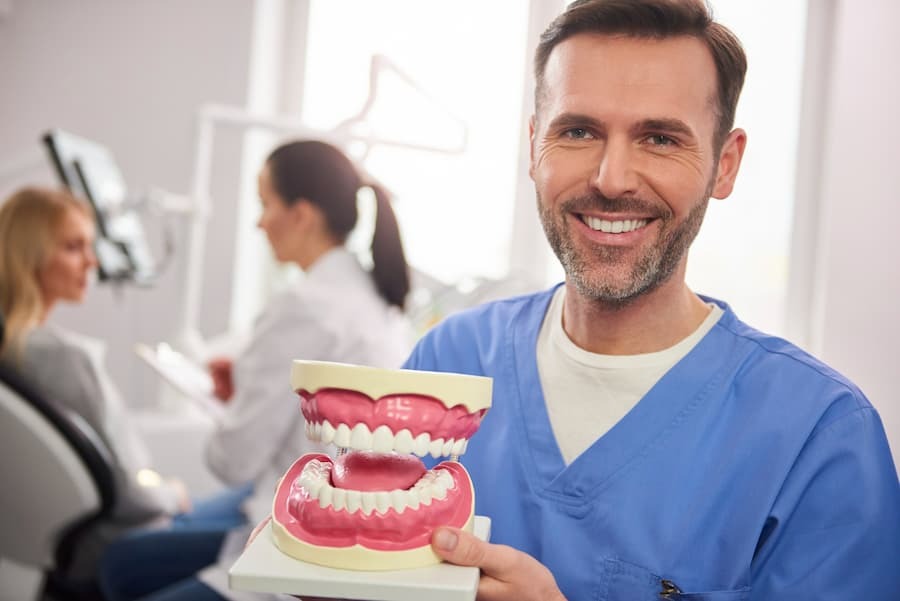

Dental implants are an outstanding modern treatment that restores both function and confidence to anyone experiencing the difficulty of missing, fractured, or failing teeth. Unlike conventional dentures or bridges, implants provide a permanent base that replicates the architecture of a real tooth, blending directly with your jawbone to offer unmatched stability and comfort. From the first consultation to the last restoration, this thorough guide will simplify the implant procedure and walk you through every step. It’s critical to realise that a new smile is usually created in steps, giving enough time for recovery and integration.
Nevertheless, there are now creative approaches available for those looking for a rapid metamorphosis. With the introduction of same-day implantology, such as the teeth in a day Manchester approach, treatment has been completely transformed. Patients can now depart the surgery with a fixed, functional smile on the very same day as their procedure.
Understanding Dental Implants
A dental implant is a structure made up of three primary components that cooperate to replace a lost tooth, rather than being a single tooth. A little, screw-like object that is typically made of biocompatible titanium, the implant post itself serves as an artificial tooth root and is surgically inserted into the jawbone. The abutment is a tiny connecting component placed on top of the post after it has healed.
Finally, the prosthesis, such as a crown, bridge, or denture, is the visible prosthetic tooth that is attached to the abutment to give the appearance and function of natural teeth. The implant integrates with the bone, making it a lasting remedy that aids in avoiding bone loss and doesn’t necessitate the abrasion of nearby teeth, thereby preserving your natural smile for an extended period.
The First Planning and Consulting Session
Before beginning the process of obtaining a new smile, a comprehensive pre-operative evaluation is conducted. Your dentist will conduct a comprehensive oral examination, assess your medical history, and talk about your expectations during this first consultation to determine whether you are a good candidate for treatment. This step is crucial for developing a unique treatment strategy.
X-rays and CT (Computerised Tomography) scans are two examples of imaging techniques used to assess the density and quality of your jawbone to accomplish this. The clinician may precisely plan the implant’s position and angulation using this 3D imaging, ensuring the best support and aesthetics. At this point, a thorough investigation is essential to the procedure’s success and aids in preventing problems by detecting any potential concerns like low bone density before the surgery starts.
How Implant Surgery Works
In order to ensure that you feel comfortable and pain-free throughout the procedure, the insertion of the dental implant is a common surgical operation that is done under local anaesthetic. In order to reveal the underlying bone, the dentist makes a small incision in the gum during surgery. At the pre-established angle and place, a precise hole is meticulously drilled into the jawbone using specialised tools. After that, the titanium implant post is carefully inserted into this cavity and secured there.
Frequently, a temporary healing cap or abutment can be placed simultaneously if the implant has been installed with superior stability; otherwise, the gum is sewn shut to promote undisturbed healing. Many patients are surprised at how simple the procedure is, generally requiring only 30 to 60 minutes per implant, despite the frightening prospect of surgery.
Osseointegration and the Healing Process
A critical recovery period starts once the implant has been placed. During this stage, a biological mechanism known as osseointegration, which is the natural growth and fusion of the jawbone with the titanium surface of the implant, controls the process. By creating a strong anchor for the new teeth, this integration is responsible for the implant’s outstanding strength and stability. Healing generally occurs in two to six months.
The length might change based on a person’s health and the caliber of their bone. Maintaining meticulous oral hygiene to safeguard the healing site and eating soft foods are frequently part of your dentist’s post-treatment guidelines, which you must strictly adhere to during this period. Since this wait serves as a permanent foundation for your new smile, it is necessary.
Conclusion
Dental implants are a highly effective and advanced technique to restore a healthy and beautiful smile. Patients can confidently begin their treatment by comprehending the step-by-step procedure, which includes everything from the first consultation and surgical placement to the recuperation and ultimate restoration.
The biological concept of osseointegration, which establishes a durable and secure basis for the new teeth, is essential to success. Whether you’re looking for a full-arch restoration or a single implant, contemporary dentistry provides alternatives to suit a range of requirements and schedules. Same-day implant procedures provide a revolutionary option for individuals desiring an instant transformation. Ultimately, investing in implants is investing in your health, your confidence, and your long-term quality of life.